
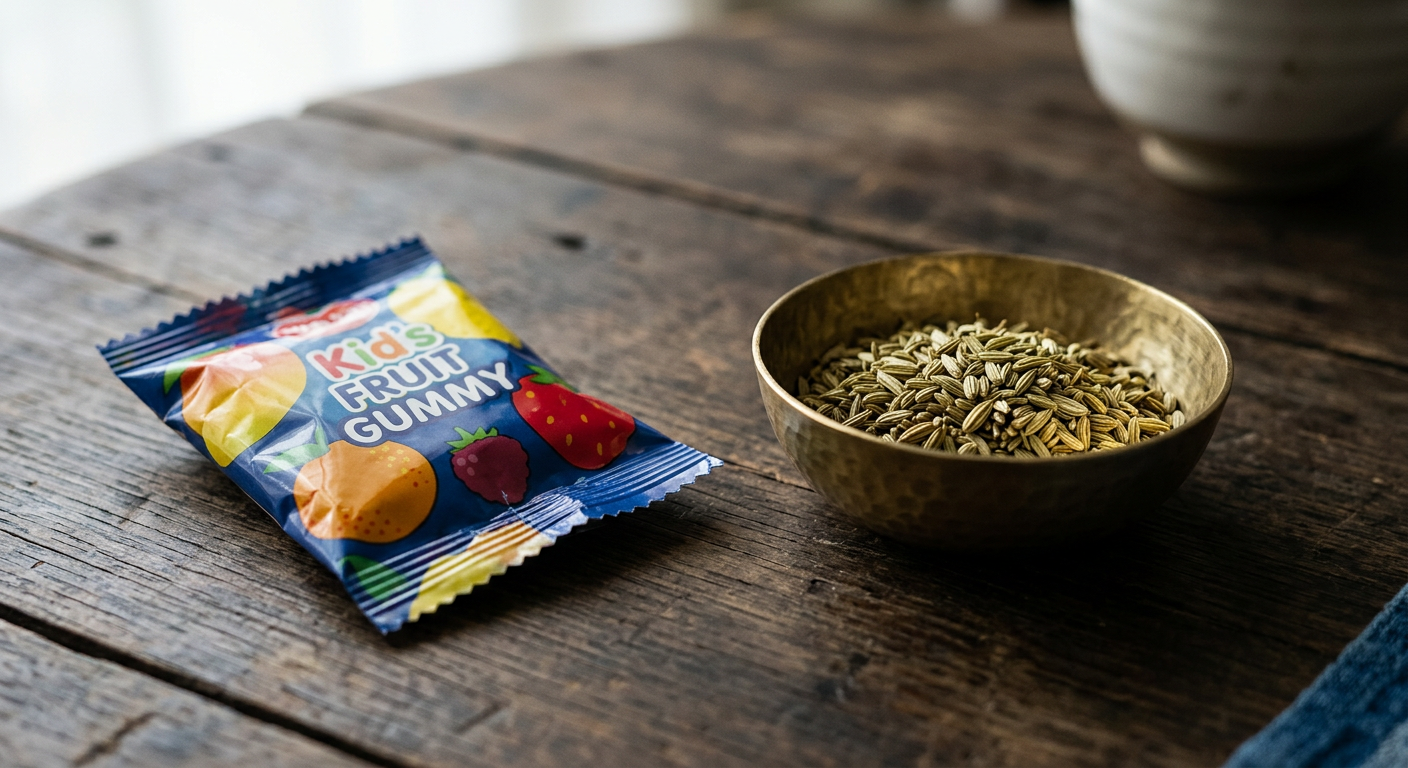
The convenience of the ultra processed kids lunchbox is undeniable. As the back-to-school rush begins ahead of August 24, 2026, parents across the globe reach for squeezy yogurts, cartoon-character cheese sticks, and soft, crustless bread. These foods are engineered for speed, shelf-life, and appeal. But a growing body of science suggests we should be looking past the packaging and into the gut.
An ultra-processed food (UPF) isn't just "packaged." It's an industrial formulation, typically containing substances you wouldn't find in a home kitchen: emulsifiers, thickeners, artificial sweeteners, and flavor enhancers [1]. Their primary purpose is not nutrition, but hyper-palatability and profit. For a child's developing gut microbiome—the complex ecosystem of trillions of microbes that governs immunity, digestion, and even mood—this presents a unique challenge.
The Geography of Convenience
The lunchbox looks different everywhere, but the pattern is the same. In the [US](/region/us), it might be a branded "lunch kit" with processed meat and crackers. In a UK primary school, it's often a sausage roll and a bag of crisps. In Germany, a shopper might grab a Milchschnitte, a popular refrigerated bar of milk cream between soft cakes. And in the UAE, school canteens are filled with imported juices and snacks in packaging far brighter than the local produce.
This isn't a judgment on parenting. It's a quiet observation about our food system. We've been sold a story of convenience that outsources a core function of food—to nourish—to factories far away. The result is a diet that can systematically reduce the diversity of our children's gut flora.
A Garden with No Gardeners
Think of the gut microbiome as a complex garden. A diverse diet rich in fiber, polyphenols, and varied nutrients acts as the sun, rain, and soil, helping a wide variety of beneficial microbes to flourish. These microbes, in turn, produce short-chain fatty acids (SCFAs) like butyrate, which is the primary fuel for cells lining our colon and helps maintain a strong gut barrier.
UPFs do the opposite. They are typically low in fiber and high in ingredients that can disrupt this delicate ecosystem. Emulsifiers like polysorbate 80 and carboxymethylcellulose, common in everything from ice cream to bread, have been shown to alter gut microbiota composition, thin the gut's protective mucus layer, and promote low-grade inflammation in preclinical studies [2]. Over time, a diet dominated by these foods starves the beneficial microbes, allowing less desirable ones to take over. The garden becomes a monoculture, fragile and less resilient.
An Ancient Answer: The Wisdom of Fennel
This is not a call for a return to some mythical, laborious past. It's an invitation to look at our pantries differently. For thousands of years, long before we had the language of microbiomes, cultures around the world used spices to support digestion. Chief among them is fennel (Foeniculum vulgare).
From the Mediterranean to India, fennel seeds have been a staple post-meal digestive aid. In Rome, gladiators ate it to stay strong; in India, toasted seeds are still chewed as a mukhwas, or mouth freshener, that aids digestion. Its power lies in compounds like anethole, the aromatic oil that gives it its anise-like flavor. Anethole has been studied for its antimicrobial and anti-inflammatory properties, while the seed itself is a source of fiber [3].
Fennel is a carminative, a wonderful old word for a substance that helps prevent the formation of gas in the GI tract or facilitates its expulsion. It's why fennel water is a traditional remedy for colic in infants. It doesn't just mask symptoms; it works with the body's digestive processes.
A Tale of Two Lunchboxes
Shifting away from UPFs isn't about adding one "superfood." It's about a small, consistent tilt towards whole ingredients. See how small changes can make a big difference in what you're offering your child's microbiome. To explore more ingredient swaps, visit our [comparison guide](/compare).
| Typical UPF Lunchbox | Whole-Food Alternative | Microbiome Benefit |
| :--- | :--- | :--- |
| Processed ham sandwich on white bread | Roasted chicken in a wholewheat wrap | Fiber, no nitrates |
| Squeezy yogurt tube | Plain Greek yogurt with a swirl of honey | Live cultures, no emulsifiers |
| Packaged fruit snacks | A handful of fresh berries or a whole apple | Fiber, polyphenols, vitamins |
| Cheese-flavored crackers | Cubes of real cheese and whole-grain crackers | Protein, fiber, fewer additives |
Making this shift is a powerful act of reclaiming taste and nourishment. It can be as simple as baking a batch of muffins and swapping some sugar for finely ground fennel and orange zest, or adding roasted fennel to a pasta salad. It's about letting the rich, complex flavors of real food, not industrial additives, shape your child's palate.
As you plan for the new school term, consider this an opportunity not for a stressful overhaul, but for a curious exploration. For more ideas on how to weave heritage and health into this busy season, explore our guide to [Back-to-School 2026](/festival/back-to-school-2026).
### FAQ
1. What exactly is an "ultra-processed food" (UPF)?
According to the widely used NOVA classification system, UPFs are industrial formulations made mostly or entirely from substances extracted from foods (like fats, starches, and sugars) or derived from food constituents (like hydrogenated fats and modified starch), with added colors, flavors, and emulsifiers [4].
2. Are all packaged foods bad for the gut?
No. The distinction is between processed and ultra-processed. Minimally processed foods like canned chickpeas, plain yogurt, or frozen vegetables are convenient and can be very healthy. The issue with UPFs lies in the industrial additives and lack of whole-food structure.
3. How can I get my child to eat fennel?
Start mild. Roasting fennel caramelizes it and makes it sweet. Slice it paper-thin and add a small amount to salads or slaws. You can also use ground fennel seed in baked goods like cookies or muffins, where its licorice note is subtle and pairs well with citrus or vanilla.
4. What's the easiest first step to improve a lunchbox?
Swap the drink. Many juices and flavored milk drinks are high in sugar or artificial sweeteners. Replacing them with plain water or a bottle of milk is a simple, high-impact change.
Sources & citations
[1] Elizabeth, L., et al. (2020). Ultra-Processed Foods and Health Outcomes: A Narrative Review. Nutrients, 12(7), 1955. https://www.mdpi.com/journal/nutrients
[2] Chassaing, B., et al. (2015). Dietary emulsifiers impact the mouse gut microbiota promoting colitis and metabolic syndrome. Nature, 519(7541), 92–96. https://www.nature.com
[3] Badgujar, S. B., et al. (2014). Foeniculum vulgare Mill: a review of its botany, phytochemistry, pharmacology, contemporary application, and toxicology. BioMed research international, 2014, 842674. https://www.hindawi.com/journals/bmri/
[4] Food and Agriculture Organization of the United Nations. (2019). Ultra-processed foods, diet quality, and health outcomes. http://www.fao.org