
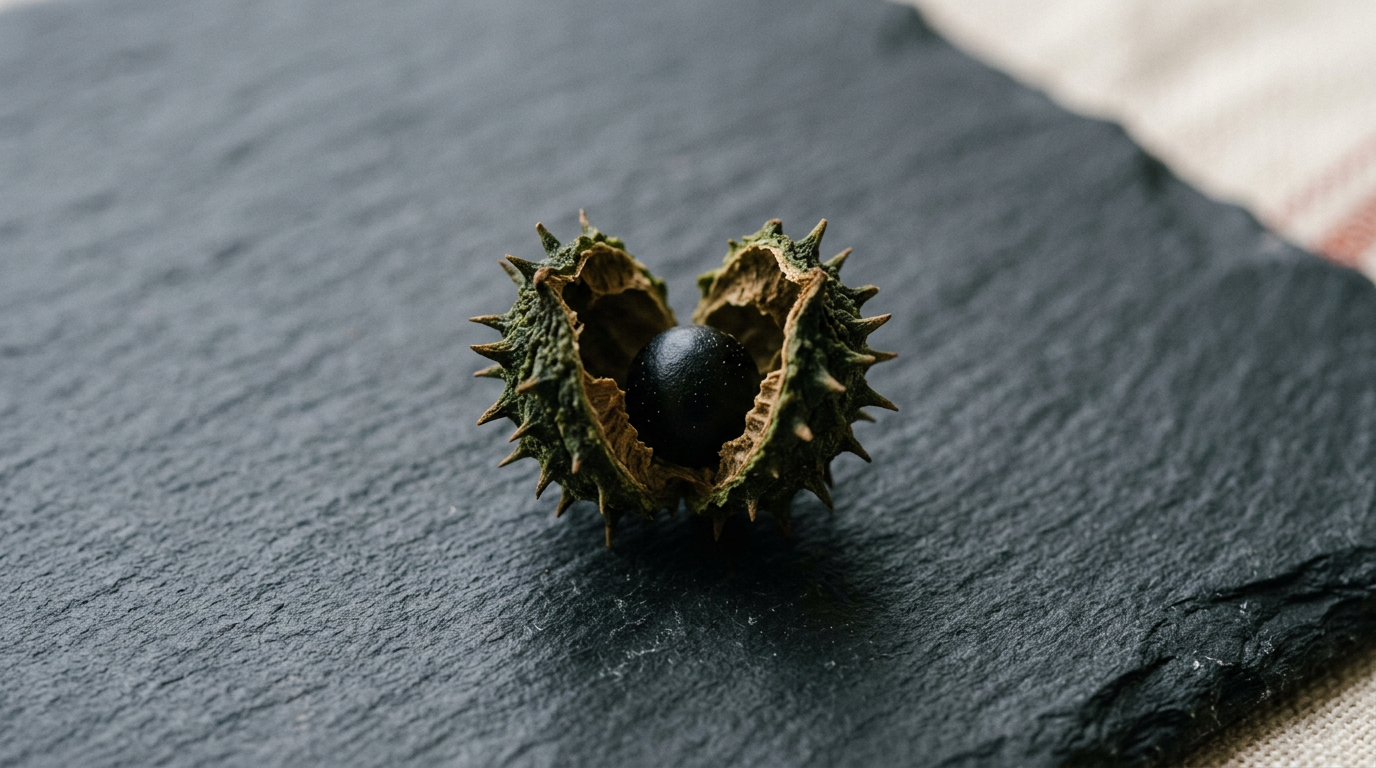
Sansho pepper creates a unique buzzing on the tongue due to a molecule called hydroxy-alpha-sanshool. This compound doesn't create heat like chili but instead activates mechanoreceptors, tricking your brain into feeling a rapid, pleasant vibration. This sensory illusion, distinct from its cousin the Sichuan peppercorn, highlights a sophisticated interplay between chemistry and perception in our food, rooted in centuries of Japanese culinary practice.
The Sensation that Isn’t Heat
Place a pinch of ground sansho pepper on your tongue. For a moment, nothing happens. Then, a bright, citrusy-herbal flavor unfolds, reminiscent of yuzu or lemongrass. And then it begins: a tingling numbness that quickly escalates into a distinct, high-frequency buzzing. It’s an electric hum, a pleasant vibration that seems to dance across your taste buds. It’s not painful like the burn of capsaicin from chili, nor is it the pungent warmth of piperine from black pepper. It’s something else entirely—a tactile illusion created by a single, remarkable molecule.
This sensation is the work of hydroxy-alpha-sanshool. While chilies trigger our heat-and-pain receptors (TRPV1), sanshool takes a different path. Scientists at University College London discovered that sanshool specifically targets mechanoreceptors, the nerve endings responsible for sensing touch and pressure [1]. By activating these receptors, the molecule essentially convinces your brain that your tongue is physically vibrating at a frequency of around 50 hertz, similar to the low hum of a refrigerator or a gently vibrating smartphone.
This is not a flavor. It is a feeling. A phantom sensation engineered by a plant, it primes the palate, making it more sensitive to the flavors that follow. This ability to rewire our sensory experience, even temporarily, is what makes it such a prized tool in the culinary world and a fascinating subject for science.
The Japanese Cousin: Sansho vs. Sichuan
Many people group sansho with its more famous Chinese relative, the Sichuan peppercorn. While both belong to the Zanthoxylum genus and both produce a tingling sensation (known as paresthesia), they are not interchangeable. Lumping them together is like treating a lime and a grapefruit as the same fruit. Each has a distinct chemistry, flavor, and cultural role.
The tingling in Sichuan peppercorns comes from a slightly different molecule, hydroxy-beta-sanshool. The difference is subtle on paper but profound on the palate. The nuance is where a chef—or a product developer—can build a reputation.
| Feature | Sansho Pepper | Sichuan Peppercorn |
| :--- | :--- | :--- |
| Botanical Name | Zanthoxylum piperitum | Zanthoxylum bungeanum (primarily) |
| Primary Active Molecule | Hydroxy-alpha-sanshool | Hydroxy-beta-sanshool |
| Flavor Profile | Bright, citrusy, herbal (yuzu, lemon peel) | Varies; can be floral, woody, or earthy |
| Sensation | Sharp, electric, high-frequency buzz | Broader, more numbing and spreading málà tingle |
| Classic Use | Finishing spice for grilled dishes like unagi (eel) in Japan | Foundational spice in Chinese stocks and sauces, often with chili |
A Tradition of Precision
In Japan, sansho is not a blunt instrument. It's a tool of precision. Its most iconic pairing is with kabayaki unagi, grilled freshwater eel lacquered in a sweet soy glaze. A final dusting of ground sansho cuts through the rich fat of the eel, its bright citrus notes lifting the dish while the electric buzz cleanses and re-sensitizes the palate for the next bite. It's a perfect symbiosis of fat, flavor, and feeling.
The respect for this plant is so deep that it extends beyond the peppercorn husk. The young leaves, kinome, are used as an aromatic garnish in spring, imparting a milder version of the same herbal zing to soups and grilled fish [2]. This deep, multi-faceted relationship with a single plant—using its leaves in one season and its fruit in another—is a hallmark of a mature food culture that has spent centuries observing, tasting, and understanding.
This isn’t about just adding a “tingle.” It's about deploying a specific sensory effect to achieve a desired culinary outcome. It's a level of sophistication that modern food science is only just beginning to quantify and appreciate [3]. As diners and creators alike search for more complex experiences beyond the five basic tastes, ancient ingredients like sansho offer a well-documented roadmap to a new sensory frontier.
### Frequently Asked Questions
1. Is sansho pepper spicy?
No, not in the way a chili pepper is. It does not contain capsaicin and won't produce a burning sensation. The “spice” is a purely tactile, vibrating tingle.
2. Can I substitute Sichuan peppercorns for sansho?
You can, but the result will be different. Sansho provides a cleaner, more focused buzz and a distinct citrus aroma. Sichuan peppercorns give a more numbing, expansive tingle and a different flavor profile. For dishes like grilled eel where sansho is traditional, the substitution would be immediately noticeable.
3. How should I use sansho pepper?
Use it as a finishing spice. Its volatile aromatic compounds are delicate and can be lost with prolonged cooking. Sprinkle it over grilled fish or chicken, add it to marinades for white meat, or use it to rim a cocktail glass for a gin or vodka-based drink.
4. Why is high-quality sansho green?
Top-grade sansho is harvested while the berries are still young and green, then flash-dried to preserve their vibrant color and potent citrus notes. The highest quality, known as budō sanshō for its resemblance to a tiny grape cluster, is notoriously difficult to source but offers an unparalleled aromatic experience [4].
Sources & citations
- Hagura, N., Barber, H., & Haggard, P. (2013). Food vibrations: Asian spice sets lips trembling. Proceedings of the Royal Society B: Biological Sciences, 280(1770). Sourced via royalsocietypublishing.org
- Andoh, E., & Beitchman, T. (2005). Washoku: Recipes from the Japanese Home Kitchen. Ten Speed Press. Page and details available via general food history resources.
- Bryant, R. P., & Coustelin, C. (2020). The World of Zanthoxylum: An Unrivaled Source of Flavor and Sensation. Molecules, 25(12), 2795. https://www.mdpi.com/1420-3049/25/12/2795
- The Essential Guide to Sansho Pepper. The Japan Times. General reference. https://www.japantimes.co.jp/