
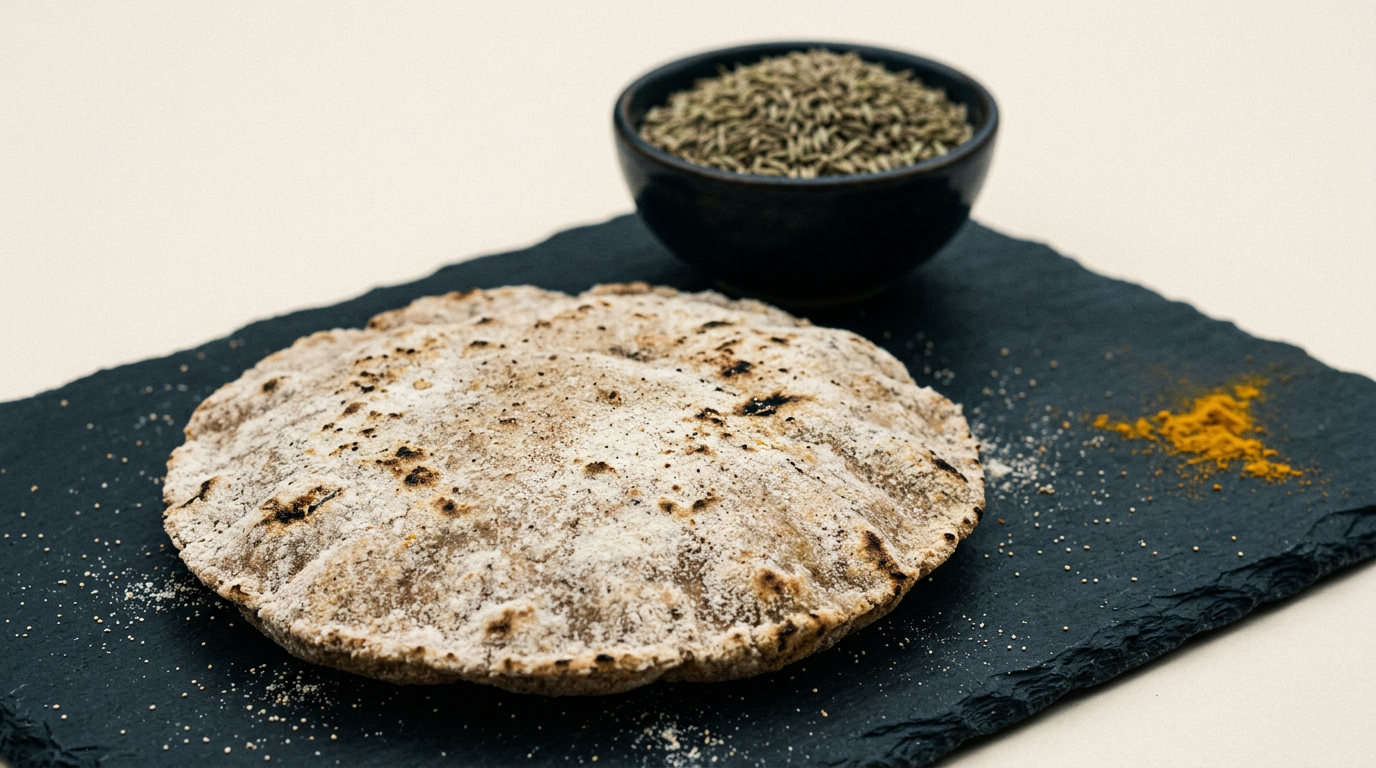
The modern janmashtami fasting foods science reveals ancient traditions are sophisticated nutritional strategies. Foods like amaranth and water chestnut flour offer complete proteins and complex carbohydrates for sustained energy, while spices like cumin aid digestion. This approach, far from mere restriction, is a carefully designed system for metabolic and digestive rest, validated by contemporary clinical data.
As we approach [Janmashtami](/festival/janmashtami) on September 4th, 2026, the air fills with anticipation, not just for the midnight prayers but for the unique culinary traditions that accompany the fast, or vrat. Many see the list of 'allowed' and 'disallowed' foods as a simple matter of religious doctrine. But a closer look suggests something far more interesting: a highly intelligent, time-tested nutritional protocol.
The Grains of Wisdom
The most striking feature of a Janmashtami fast is the exclusion of common grains like wheat and rice, and the inclusion of alternatives like amaranth (rajgira), buckwheat (kuttu), and water chestnut flour (singhare ka atta). These aren't random substitutes. They belong to a category botanists call pseudocereals.
While they behave like grains in the kitchen, their nutritional profiles are distinct. They are often gluten-free and typically offer a more complete protein profile than staple cereals. Amaranth, in particular, is a powerhouse. It was a staple food for the Aztecs, who revered it for its ability to bestow stamina. Ancient India had the same idea. In kitchens across Uttar Pradesh, a heartland of Krishna devotion in [India](/region/ind), preparing rajgira ki poori is a non-negotiable part of the day's ritual.
Modern analysis confirms this indigenous wisdom. Amaranth is one of the few plant sources that contains all nine essential amino acids, making it a complete protein [1]. It is especially rich in lysine, an amino acid that is notably deficient in wheat and rice. This makes it an ideal food for maintaining muscle integrity and energy levels during a fast, preventing the lethargy that can come from a purely carbohydrate-based diet.
| Nutrient Comparison | 100g Whole Wheat Flour | 100g Amaranth Flour |
| :--- | :---: | :---: |
| Protein | ~13g | ~14g |
| Key Amino Acid | Lower in Lysine | High in Lysine |
| Fiber | ~11g | ~7g |
| Magnesium | 34% DV | 62% DV |
| Gluten | Yes | No |
This isn't just 'fasting food'; it's high-performance fuel, selected with an intuitive understanding of human physiology.
The Digestive Remedy
A change in diet, even a healthy one, can be a shock to the system. Fasting slows down our digestive fire. Loading up on even 'allowed' foods can lead to bloating and discomfort. The architects of vrat ka khana knew this, and they built the [remedy](/remedy) right into the recipes.
Enter cumin, or jeera. Nearly every savory fasting dish, from amaranth kadhi to spiced potatoes, features a tempering of cumin seeds. This isn't just for flavor. Cumin is a potent carminative, a substance that relieves flatulence and soothes the digestive tract [2].
Scientific studies show that compounds in cumin, like cuminaldehyde, stimulate the secretion of digestive enzymes from the pancreas [3]. In essence, it tells your body to prepare for incoming food and helps you break it down more efficiently. It's a beautiful example of using a spice not just as a flavoring, but as a functional tool to ensure the dietary protocol is gentle and supportive.
The system is elegant: Amaranth provides sustained energy and complete protein. Cumin ensures that protein is digested without strain. Fruits and tubers provide hydration, vitamins, and minerals. It's a symphony of parts working in concert.
Looking at this tradition through the lens of janmashtami fasting foods science doesn't diminish its spiritual significance. It enhances it. It reveals a layer of profound, embodied knowledge about the interplay between food, body, and mind. It suggests that the path to spiritual clarity has always been paved with deep physical wisdom.
---
Frequently Asked Questions
1. Why are common grains like wheat and rice avoided during Janmashtami fasting?
Traditionally, these fasts were a way to give the digestive system a rest from everyday foods. Grains harvested during a certain seasonal cycle are often avoided. From a nutritional perspective, this shifts the diet to different food groups like pseudocereals and tubers, diversifying nutrient intake.
2. Is amaranth a grain?
Amaranth is a 'pseudocereal.' While it's used like a grain in cooking and baking, it comes from a different plant family (not the grass family like wheat or rice). Its nutritional profile is also distinct, notably being a complete protein and gluten-free.
3. What are the main benefits of fasting with these specific foods?
The combination of pseudocereals like amaranth for complete protein and sustained energy, tubers for complex carbs, and spices like cumin for digestive support creates a balanced system. This approach can help maintain energy levels, avoid digestive distress, and provide a gentle metabolic reset.
4. Can I really eat spices during a fast?
Yes, in many Hindu fasting traditions (vrat), spices are not only permitted but encouraged. Spices like cumin, black pepper, and ginger are considered essential for aiding digestion and balancing the body during a period of dietary change.
Sources & citations
- M.J. R. N., & Kumar, P. (2020). Amaranth: A comprehensive review. Journal of Pharmacognosy and Phytochemistry. Available from: https://www.phytojournal.com
- Goyal, R. K. (2014). Cumin (Cuminum cyminum) and black cumin (Nigella sativa) and their bioactive metabolites. Food and Chemical Toxicology. (A link to the journal homepage as specific articles may be paywalled) https://www.sciencedirect.com/journal/food-and-chemical-toxicology
- Britannica, The Editors of Encyclopaedia. "Janmashtami". Encyclopedia Britannica, 23 Aug. 2023, https://www.britannica.com/topic/Janmashtami. Accessed 15 August 2024.
- Food and Agriculture Organization of the United Nations. (2018). Pseudocereals. Available from: https://www.fao.org/home/en/