
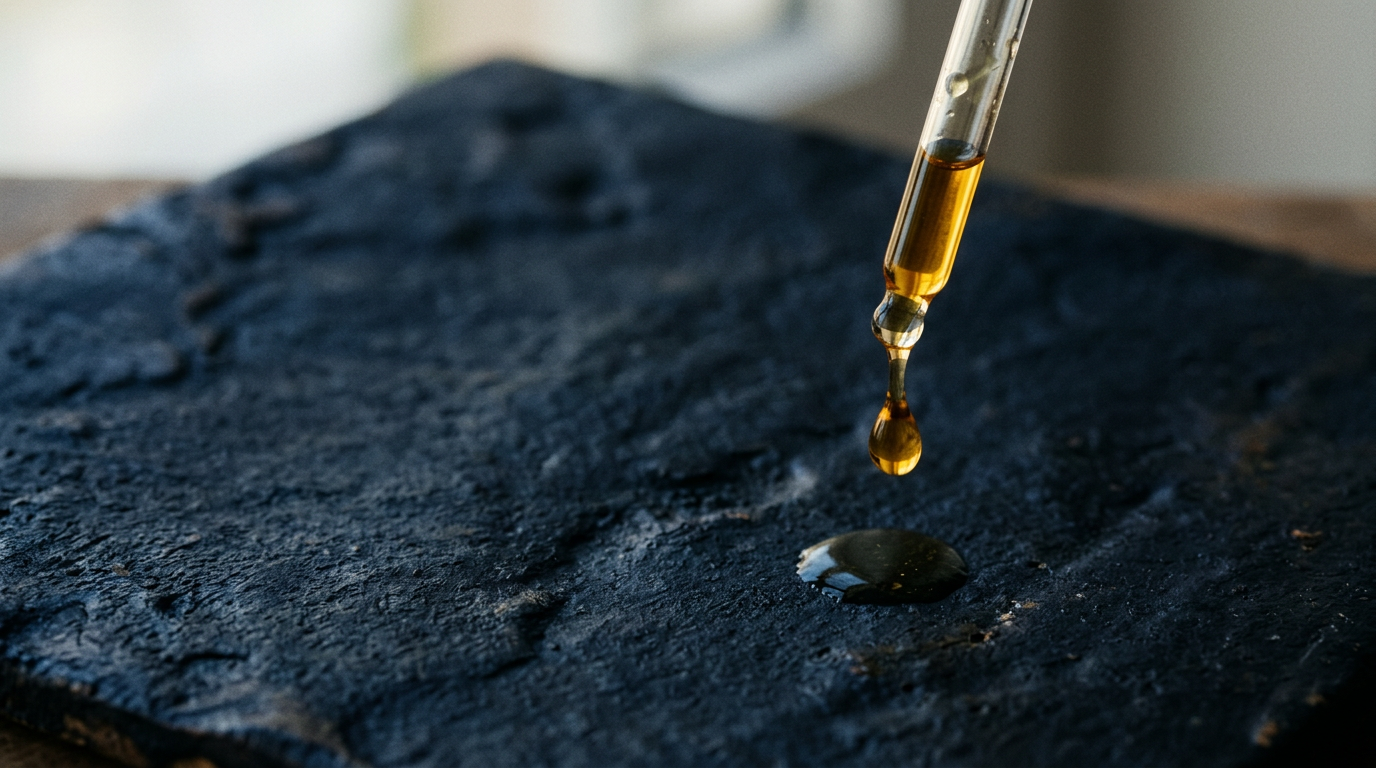
Does using castor oil for eyebrows growth actually work? This ancient remedy, popular from India to the internet, is touted as a miracle for fuller brows. While direct scientific proof for growth is thin, the unique properties of castor oil—specifically its high ricinoleic acid content—do offer scientifically plausible benefits for hair health, conditioning, and creating an environment for healthier-looking brows.
In many Indian homes, a tin of viscous, slightly nutty-smelling Arandi ka tel was a fixture in the medicine cabinet long before it became a beauty-shelf staple. It was a utilitarian fluid, used for everything from lubricating a squeaky door hinge to a sternly-administered spoonful for digestive woes. For hair, it was a weekend ritual—a thick, heavy oil for a pre-shampoo massage, promising strength and shine.
Today, that same oil is having a global moment, driven by viral videos and a collective desire for the kind of thick, natural brows that seem to defy a decade of over-plucking. But as a humble home remedy gets repackaged and re-marketed, it’s worth asking what we’re actually buying.
The Oil and The Science
Castor oil is pressed from the seeds of the Ricinus communis plant, a species with a history stretching back to ancient Egypt, where its oil was used in lamps and as a medicinal balm [1]. What makes castor oil unique isn't just its history, but its chemistry. It is composed of almost 90% ricinoleic acid, a rare, unsaturated omega-9 fatty acid found in few other natural sources [2].
This is where the conversation about castor oil eyebrows growth gets interesting. While no large-scale, peer-reviewed clinical trials have definitively proven that castor oil makes hair grow faster or thicker, ricinoleic acid itself gives us a clue to its potential. Research shows that ricinoleic acid interacts with prostaglandin receptors in the body [3]. Prostaglandins are lipid compounds that play a key role in various bodily processes, including inflammation and, crucially, the regulation of the hair follicle growth cycle.
Specifically, ricinoleic acid acts on the Prostaglandin E2 receptor. Increasing PGE2 can promote hair growth, while another prostaglandin, PGD2, is associated with hair loss. By nudging this delicate balance, ricinoleic acid may create a more favorable environment for hair follicles. It's a plausible mechanism, a small but significant clinical signal—but it’s not a direct growth stimulant in the way a pharmaceutical product like minoxidil is.
From Delhi Bazaar to Whole Foods
What the science strongly supports is castor oil’s power as a conditioning agent. Its thick viscosity coats the hair shaft, reducing friction and breakage. It's an excellent humectant, drawing moisture into the hair, which can make brows and lashes appear darker, glossier, and fuller. A case report even documented its dramatic ability to improve hair lustre [4]. By preventing breakage, you allow the hair you do have to reach its full potential, creating the illusion of more abundant growth.
This is where the story shifts from science to market. In a Delhi market, you might buy a large, 200ml tin of 'Arandi ka tel' for less than a hundred rupees. In the `/region/us`, a tiny 1-ounce (30ml) glass bottle of cold-pressed, hexane-free castor oil can sell for $15 in a wellness store. In the UK, it's often the 'hero ingredient' in eyebrow serums costing upwards of £25.
The raw material is the same. The difference is the story, the packaging, and the context. A household staple in one culture becomes a luxury solution in another. This journey from a common [remedy](/remedy) to a high-margin wellness product is a familiar one, and it highlights a gap that thoughtful brands can fill: providing the unvarnished context alongside the unadulterated product.
The real wisdom of this Daadi remedy may not be in magical growth, but in the ritual of care itself. The act of gently massaging a nourishing oil into your brows is an act of preservation and patience. It’s a commitment to protecting what you have, which, in the end, might be the surest path to getting what you want.
Frequently Asked Questions
1. What's the best way to apply castor oil to eyebrows?
Use a clean mascara wand (spoolie) or a cotton swab. Apply a very small amount of oil to your brows before bed, gently massaging it into the roots. A little goes a long way; you want a light sheen, not a greasy mess.
2. Is castor oil safe to use near the eyes?
Generally, yes. However, it's very important to use a high-quality, pure, hexane-free oil to avoid irritation. Always do a patch test on your arm first. Be careful not to get the oil directly into your eye. If you do, flush it out with water.
3. What kind of castor oil should I buy?
Look for 100% pure, cold-pressed, hexane-free castor oil, preferably organic and sold in a dark glass bottle to protect it from light degradation. The cold-pressing process ensures that the oil's beneficial compounds, like ricinoleic acid, remain intact.
4. How long does it take to see results for eyebrow conditioning?
Consistency is key. While it won't cause new hairs to sprout overnight, you may notice that your brows feel more conditioned and look healthier and shinier within 4-6 weeks. The primary benefit is reduced breakage, which gives the appearance of fuller brows over time.
Sources & citations
- Britannica, The Editors of Encyclopaedia. "Castor oil". Encyclopedia Britannica, 19 Sep. 2023, https://www.britannica.com/science/castor-oil.
- Final Report on the Safety Assessment of Ricinus Communis (Castor) Seed Oil, Hydrogenated Castor Oil, etc. International Journal of Toxicology, 26(3_suppl), 31-77, 2007. https://journals.sagepub.com/home/ijt
- G R G, et al. "Pharmacological investigation of ricinoleic acid, a component of castor oil, on its analgesic and anti-inflammatory effects." Phcog Res, 12(4), 415-420, 2020. https://www.phcogres.com/
- Dias, M. F. R. G. "Hair cosmetics: An overview." International Journal of Trichology, 7(1), 2-15, 2015. https://www.ncbi.nlm.nih.gov/pmc/articles/PMC4387693/