
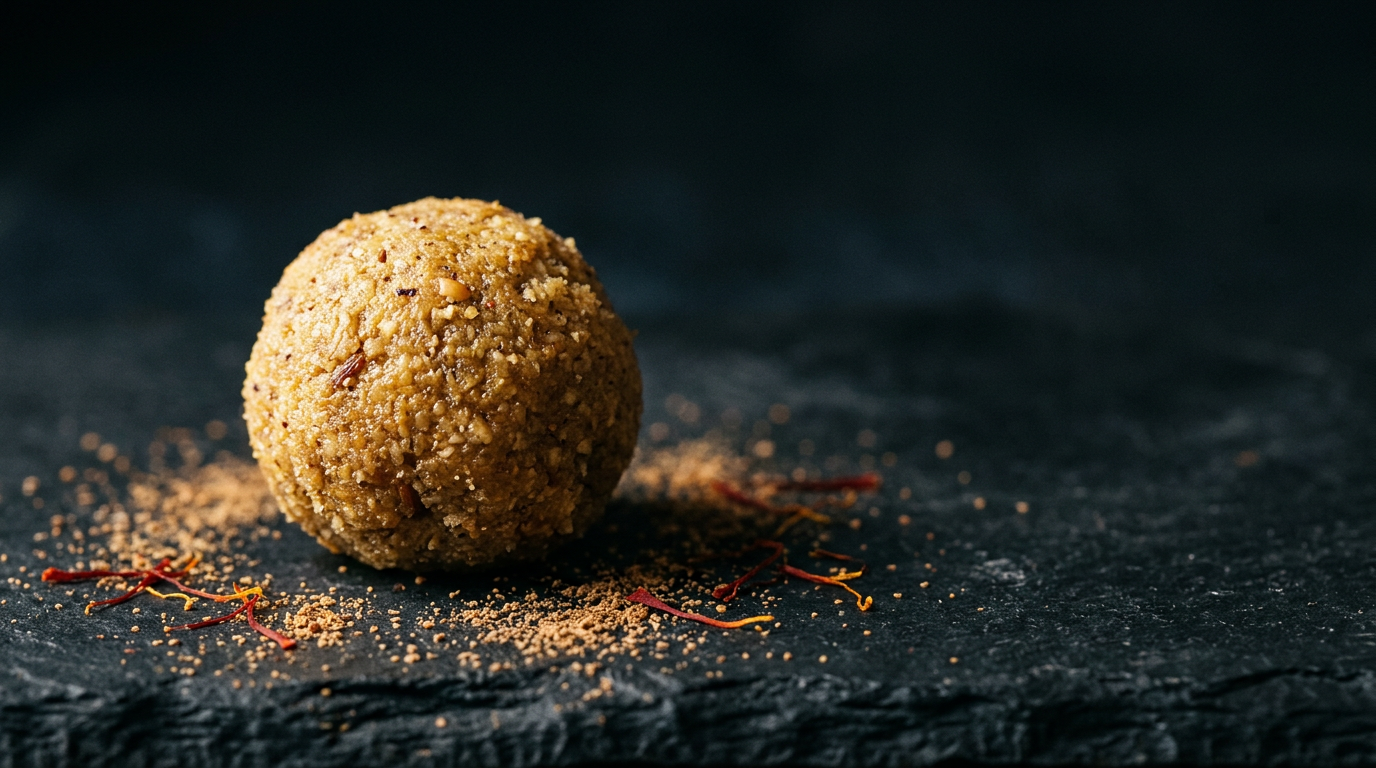
The quest for a healthy Raksha Bandhan mithai is shifting from simple 'sugar-free' claims to a deeper, science-backed approach. By understanding nut chemistry and the functional properties of spices like nutmeg, modern mithai-makers are creating sweets that are not just less sugary, but genuinely better in flavor, texture, and nutritional profile for this cherished festival.
For generations, the thread of a rakhi has been tied with a promise of protection, a bond sealed with a box of mithai. But as our understanding of wellness evolves, so does the sweet itself. The date for Raksha Bandhan, August 28, 2026, might seem far away, but a change in how we approach these celebratory foods is already here, moving from a mindset of restriction to one of enhancement.
Beyond ‘Sugar-Free’
For years, the 'healthy' mithai option was a disappointing affair. It usually meant a direct swap of sugar for artificial sweeteners like aspartame or sucralose. The result was often a cloying, chemical aftertaste and a texture that was just… off. That’s because sugar isn't just a sweetener; it's a structural powerhouse. It provides bulk, moisture, and, most importantly, the ability to brown and create complex flavor through caramelization and the Maillard reaction [1]. Removing it without a thoughtful alternative leaves a void that a simple sweetener can't fill.
The new guard of food artisans understands this. They're looking past artificial substitutes towards ingredients like monk fruit and allulose, which have a cleaner taste and better functional properties. But the real secret isn't just in what they're taking out, but what they're adding back in with intelligence and intention.
The Alchemy of Nuts and Spice
Most premium mithai—from Kaju Katli to Badam Barfi—are built on a base of nuts. These nuts are rich in fats and proteins, the essential building blocks for the Maillard reaction, the series of chemical reactions that give browned food its distinctive flavor. When you drastically reduce sugar, you rob this reaction of its key fuel source.
So, how do you build back that depth and richness?
First, by treating the nuts with more respect. Gently toasting almonds or cashews before grinding them awakens their natural oils and develops deep, nutty flavor notes that are often masked by a deluge of sugar. It’s a simple step that requires patience and precision.
Second, and most critically, is the strategic use of spice. This is where ancient wisdom provides a brilliant solution to a modern problem. Spices like nutmeg and its delicate, lacy sibling, mace, are not just for aroma. They are functional ingredients that can fundamentally alter our perception of taste. Research in sensory science shows that certain aromatic compounds, particularly those found in 'sweet' spices like cinnamon, vanilla, and nutmeg, can enhance the perceived sweetness of a food [2]. Your brain smells the warm, fragrant notes of nutmeg and registers a higher level of sweetness than is physically present. It's a culinary sleight of hand, grounded in biochemistry.
This allows a mithai-maker in our home region of India to reduce the sugar in a besan ladoo while amplifying its nutty, earthy flavor with a pinch of freshly grated nutmeg from the Malabar Coast. It's why a confectioner in the UAE might use date paste as a binder for pistachio rolls, but adds a touch of mace to cut the fruit's singular sweetness and add a layer of warm complexity sought after in the premium gifting market there. It's not about hiding the lack of sugar; it's about creating a more complex and satisfying flavor profile that doesn't need it.
This approach requires a level of craft that can't be easily replicated. Compare the old and new ways:
| Feature | Traditional Kaju Katli | Modern Kaju Katli |
| :------------------ | :-------------------------------- | :---------------------------------------------- |
| Sweetener | Refined Sugar (40-50% by weight) | Monk Fruit/Allulose Blend (15-20%) |
| Flavor Profile | Primarily sweet, one-dimensional | Nut-forward, complex, aromatic |
| Key Spice | Cardamom (for aroma) | Nutmeg/Mace (for sweetness perception & depth) |
| Technique | Sugar syrup cookery | Toasted nuts, precise spice integration |
Across the diaspora, this shift is taking hold. In London's Southall, you'll see new-wave sweet shops focusing on nut-rich, minimally-sweetened bars. In the US, where home cooks are already familiar with using several ounces of almond flour for gluten-free baking, applying that same ingredient-first logic to Indian sweets feels like a natural evolution.
This Raksha Bandhan, when you choose your sweets, look beyond the 'sugar-free' sticker. Look for a shorter, cleaner ingredient list and the thoughtful presence of spices. That's the mark of a truly modern, and truly healthy, Raksha Bandhan mithai. It represents a return to a more profound kind of indulgence—one built on flavor, science, and heritage.
Ready to find a gift that reflects this new standard? Explore our curated Raksha Bandhan gifts.
***
### Frequently Asked Questions
1. What is the best healthy mithai for Raksha Bandhan?
The best options are those made with whole-food ingredients like nuts, seeds, and whole grains, and are sweetened minimally with natural sources like dates or smarter substitutes like monk fruit. Look for mithai that uses spices like nutmeg or cinnamon to enhance sweetness perception, rather than just relying on sugar.
2. Is 'sugar-free' mithai actually healthy?
Not always. Many 'sugar-free' products use artificial sweeteners that can have a negative impact on gut health and taste artificial. A truly healthier mithai focuses on reducing overall sugar content and using high-quality, nutrient-dense ingredients, making it a more holistically 'healthy Raksha Bandhan mithai' choice.
3. Why do modern mithai recipes use nutmeg?
Nutmeg contains aromatic compounds that our brains perceive as sweet. This phenomenon, known as aroma-induced sweetness, allows food creators to reduce the actual sugar content while maintaining a satisfyingly sweet flavor profile, adding complexity and depth.
4. When is Raksha Bandhan in 2026?
Raksha Bandhan will be celebrated on Friday, August 28, 2026.
Sources & citations
- Purdue University Extension. (n.d.). Basics of the Maillard Reaction. Retrieved from https://www.extension.purdue.edu/foodday/2012/Maillard_reaction.pdf
- Prescott, J. (2015). Multisensory processes in flavour perception and their influence on diet. Current Opinion in Food Science, 3, 47-51.
- World Health Organization. (2015). WHO calls on countries to reduce sugars intake among adults and children. Retrieved from https://www.who.int/news/item/04-03-2015-who-calls-on-countries-to-reduce-sugars-intake-among-adults-and-children
- Encyclopædia Britannica. (n.d.). Nutmeg and mace. Retrieved from https://www.britannica.com/plant/nutmeg