
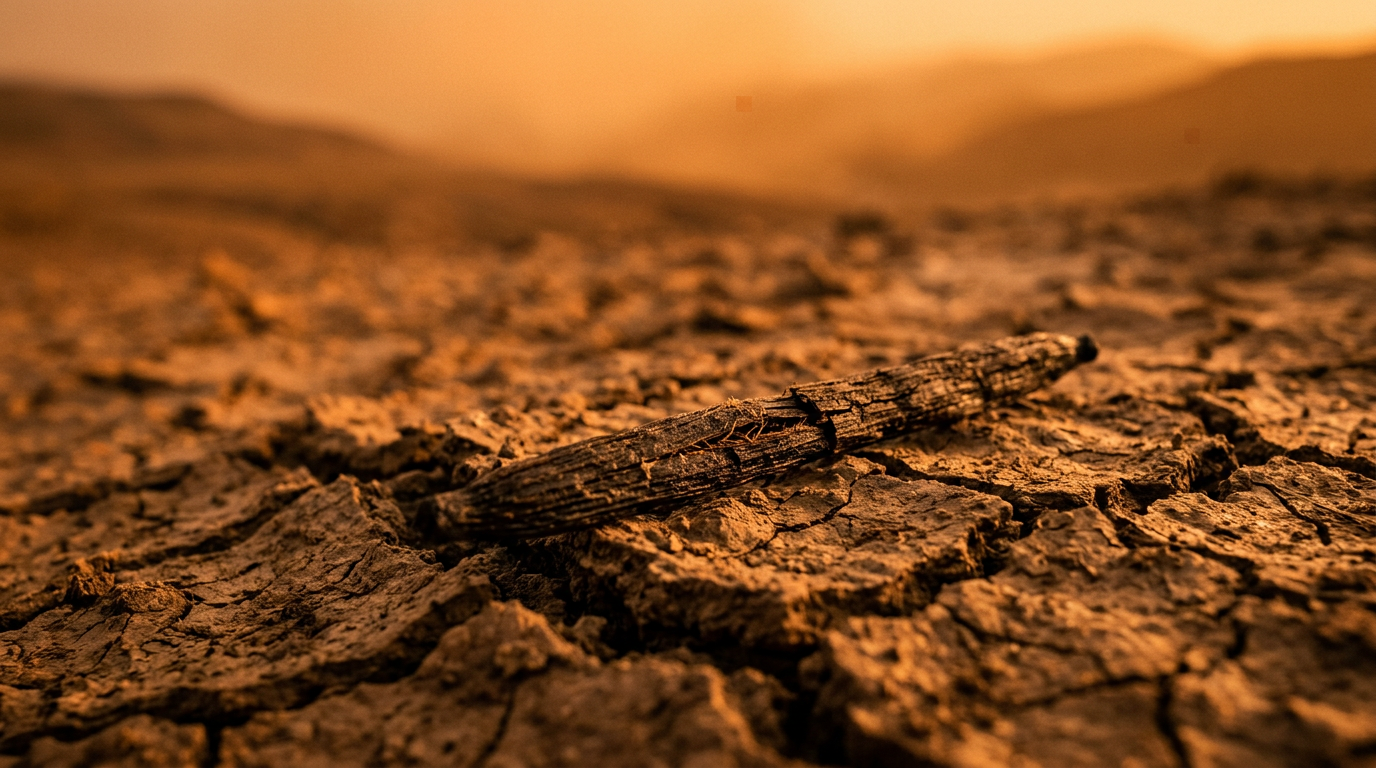
Think of the scent of freshly ground cardamom, the floral sweetness of a vanilla bean, the sharp, lingering heat of a chili. These are more than just ingredients; they are sensory heirlooms, cultivated for millennia in the world’s tropical “spice belt.” But this vibrant cradle of flavor is in trouble. As our planet warms, the delicate ecosystems that give us our most beloved spices are being pushed to their breaking point.
The 1.5°C warming threshold isn’t a distant abstraction—for the millions of smallholder farmers who grow the world’s spices, it’s a daily reality of chaotic weather, failing crops, and precarious livelihoods. The science is clear: the planet’s tropical regions are on the front lines, facing what the Intergovernmental Panel on Climate Change (IPCC) calls “compounding and cascading risks” from extreme climate events [1]. What does this fever pitch mean for the flavors we can’t live without?
The Queen of Spices Loses Her Cool
Cardamom, the “Queen of Spices,” is notoriously picky. It thrives in the cool, humid understory of rainforests, requiring consistent rainfall and dappled sunlight. For centuries, the Western Ghats of India and the highlands of Guatemala provided this perfect nursery. Today, that stability is gone.
Rising temperatures and increasingly erratic monsoons are harming cardamom crops. Prolonged droughts can cause the plant’s capsules to ripen prematurely, resulting in smaller pods with lower concentrations of essential oils and, therefore, less flavor. Conversely, sudden, intense downpours can lead to waterlogged soil and root rot. Reporting from India suggests yield losses of up to 40% in some key growing regions in recent years due to these unpredictable weather patterns [2]. The very ecosystem that made this spice so precious is unraveling.
Vanilla on the Brink
If cardamom is picky, vanilla is a bona fide diva. A climbing orchid, it requires a precise balance of wet and dry seasons to flower, and each flower must be pollinated by hand on the single day it opens. Reporting from news outlets like Reuters confirms that roughly 80% of the world's supply comes from Madagascar, an area now squarely in the crosshairs of climate change [3].
The growing threat is twofold. First, warming oceans are fueling more powerful cyclones that can obliterate entire plantations in a matter of hours. Second, shifting rainfall patterns disrupt the orchid’s flowering cycle. For a crop that is one of the most labor-intensive in the world, this level of climate risk is creating a crisis for the estimated 80,000 farmers whose livelihoods depend on it.
Our Fiery Friend's Fever
Chili peppers seem tough. They grow across the globe and love the heat, right? Yes, but only to a point. As horticultural research shows, many commercial chili varieties are sensitive to extreme temperature fluctuations [4]. When temperatures soar above 35°C (95°F), a pepper plant's metabolism may go into overdrive. To conserve water, it can begin dropping its delicate flowers before they can be pollinated—a phenomenon known as “flower drop.” No flowers mean no fruit.
Water stress also has a direct impact on quality. While mild stress can sometimes increase the concentration of capsaicin (the compound that gives chilis their heat), severe drought leads to smaller, less vibrant peppers. At the same time, extreme rainfall and humidity create favorable conditions for fungal diseases and pests to thrive. The resilient chili is discovering it has a fever it can’t sweat out.
The Path Forward: Wisdom and Resilience
This picture is grim, but it is not without hope. The future of flavor is not about finding a new planet to grow spices on; it's about transforming how we grow them on this one. The solution lies in a powerful fusion of ancestral wisdom and modern science.
Across the spice belt, farmers are turning to climate-resilient agricultural practices. For cardamom, this can mean embracing agroforestry—growing the spice under a shade canopy of diverse native trees, which helps regulate temperature and soil moisture. For vanilla, it means diversifying farms with other cash crops to buffer against the total loss from a cyclone. For chilis, it’s about investing in efficient irrigation and soil health practices to create a sponge-like earth, capable of holding water during drought and draining well during floods.
The U.N.'s Food and Agriculture Organization (FAO) stresses that building climate resilience across our agrifood systems is essential for global food security and for protecting farmers' livelihoods [5]. Part of that resilience lies in the genetic library held within indigenous landrace varieties. For generations, farmers have bred spices adapted to their unique local conditions. These heirloom varieties—more drought-tolerant, more disease-resistant—are a vital resource. By pairing this ancestral knowledge with modern science, we can identify and propagate the traits needed to thrive in a warmer world.
As consumers and investors, we have a role to play. We can choose to support companies that invest in resilient supply chains, pay fair prices to farmers practicing climate-smart agriculture, and champion the genetic diversity that is our best insurance policy against a bland future. The warmth, sweetness, and fire in our food are worth fighting for. Our choices can help turn down the heat.
Sources & citations
- IPCC. (2023). Climate Change 2023: Synthesis Report. Contribution of Working Groups I, II and III to the Sixth Assessment Report of the Intergovernmental Panel on Climate Change. IPCC, Geneva, Switzerland. https://www.ipcc.ch/report/ar6/syr/
- The Guardian. (2021). 'It's a catastrophe': how climate change is stalling Indian spices. https://www.theguardian.com/global-development/2021/sep/29/its-a-catastrophe-how-climate-change-is-stalling-indian-spices
- Reuters. (2023). Madagascar's vanilla farmers feel the heat from climate change. https://www.reuters.com/business/environment/madagascars-vanilla-farmers-feel-heat-climate-change-2023-11-27/
- Erickson, A. N., & Markhart, A. H. (2002). Flower production, fruit set, and physiology of bell pepper during heat stress. University of Minnesota. https://conservancy.umn.edu/handle/11299/195444
- FAO. (2023). The State of Food and Agriculture 2023. Revealing the true cost of food to transform agrifood systems. FAO, Rome. https://www.fao.org/documents/card/en/c/cc7940en